
EPS Concrete: Lightweight Innovation in Construction
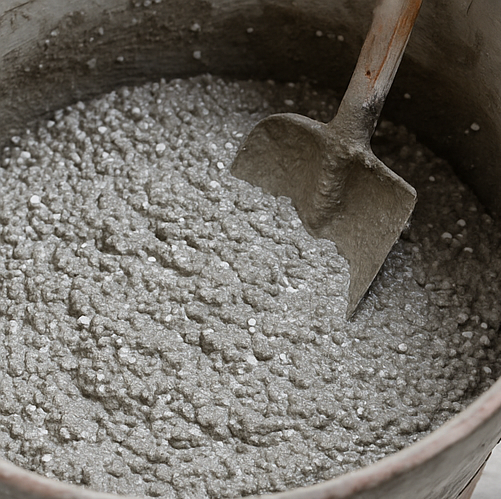
EPS Concrete, also known as Expanded Polystyrene Concrete or Lightweight Concrete with EPS beads, is a modern building material designed to solve critical issues of weight, thermal insulation, and cost-efficiency in construction. By integrating EPS beads into a cementitious matrix, this type of concrete offers excellent insulation properties while being significantly lighter than conventional concrete.
What is EPS Concrete?
EPS (Expanded Polystyrene) Concrete is a composite material formed by combining:
-
Cement (OPC or blended)
-
Water
-
EPS beads (Expanded Polystyrene granules)
-
Optional additives (like plasticizers, waterproofing agents, fibers)
EPS beads replace traditional coarse or fine aggregates like sand or gravel, reducing the concrete's overall density and improving thermal and acoustic insulation properties.
How is EPS Concrete Made?
1. Materials Used
-
Cement: Ordinary Portland Cement (OPC) or Portland Pozzolana Cement (PPC)
-
EPS beads: Expanded polystyrene spheres of different grades and sizes
-
Water: Potable water to achieve desired workability
-
Additives: Water reducers, fibers, or foaming agents
2. Mixing Process
-
Pre-wet EPS beads to reduce static electricity
-
Mix cement and water in a concrete mixer to form a slurry
-
Slowly add EPS beads and mix uniformly
-
Pour the mixture into molds or directly into the construction formwork
3. Curing
-
Can be air-cured or moist-cured depending on requirements
-
Generally requires 7–28 days to gain strength depending on mix design

Properties of EPS Concrete
| Property | Description |
|---|---|
| Density | 500–1800 kg/m3 |
| Compressive Strength | 0.5 to 10 MPa |
| Thermal Conductivity | 0.03 to 0.07 W/mK |
| Sound Insulation | High, depending on thickness |
| Fire Resistance | Up to 2–3 hours (non-flammable beads used) |
| Water Absorption | Low to moderate, depends on coating |
Benefits of EPS Concrete
-
Lightweight: Easy to transport and handle, reduces structural load
-
Thermal Insulation: Excellent for energy-efficient buildings
-
Soundproofing: Minimizes noise transmission
-
Eco-Friendly: Recycled EPS can be used
-
Cost-Effective: Less structural steel needed in some cases
-
Easy Application: Can be cast in situ or used as precast panels
-
Non-Toxic and Mold-Resistant
Applications of EPS Concrete
1. Roofing Insulation
-
Used as a top layer to reduce heat ingress
2. Floor Underlayments
-
Smooth base layer for tiles or wood flooring
3. Partition Walls
-
Non-load bearing interior panels in homes, offices, and schools
4. Wall Panels / Sandwich Panels
-
Prefabricated EPS concrete panels with cement fiberboards or metal sheets
5. Void Filling
-
Fills gaps in foundations or uneven sub-bases
6. Decorative Products
-
Lightweight garden benches, planters, or sculptures
7. Prefab Construction
-
Used in modular homes, cabins, and disaster relief shelters

Popular Products Made from EPS Concrete
-
EPS Concrete Blocks: Lightweight masonry units
-
EPS Wall Panels: Factory-made for rapid wall erection
-
EPS Roof Slopes: Used on flat roofs to create a drainage slope
-
EPS Lightweight Fill: For bridge abutments or embankments
-
EPS Concrete Screed: For insulating roof and floor slabs
-
EPS Decorative Moldings: Architectural features like cornices

Limitations of EPS Concrete
-
Low Structural Strength: Not suitable for load-bearing applications
-
Surface Finish: May require plastering or coating for a smooth finish
-
Anchoring Difficulty: Screw or nail holding capacity is lower
-
Fire Resistance Depends on EPS Type: Must use fire-rated beads
Comparison: EPS Concrete vs Regular Concrete
| Parameter | EPS Concrete | Conventional Concrete |
| Density | 500–1800 kg/m3 | 2300–2500 kg/m3 |
| Strength | Up to 10 MPa | 20–50 MPa |
| Thermal Insulation | High | Low |
| Fire Resistance | Moderate–High | High |
| Cost | Moderate | Moderate–High |
Is EPS Concrete Waterproof?
EPS concrete is not 100% waterproof, but it offers good water resistance due to its closed-cell structure. However, for applications like roofing or wet areas, an additional waterproof coating or membrane is required.
Sustainability Aspect
-
EPS concrete can utilize recycled polystyrene waste, reducing landfill burden
-
Lower cement and aggregate usage reduces carbon footprint
-
Light weight means reduced transport and foundation costs
FAQs
Q1. Can EPS concrete be used for structural applications?
A: No, it is primarily used for non-load bearing elements and insulation purposes.
Q2. Is EPS concrete flammable?
A: EPS itself is flammable, but fire-retardant grades and concrete encasement significantly improve fire resistance.
Q3. How is EPS concrete different from foam concrete?
A: Foam concrete uses air bubbles created by foaming agents, whereas EPS concrete uses solid polystyrene beads.
Q4. Can it be used in exterior applications?
A: Yes, with proper waterproofing and UV protection coatings.
Conclusion
EPS Concrete is a game-changer in lightweight and energy-efficient construction. Its exceptional insulation properties, cost benefits, and eco-friendliness make it a preferred choice for modern infrastructure that prioritizes both performance and sustainability. While it cannot replace structural concrete, it complements it by enhancing the overall functionality of buildings.
