Supply Type :
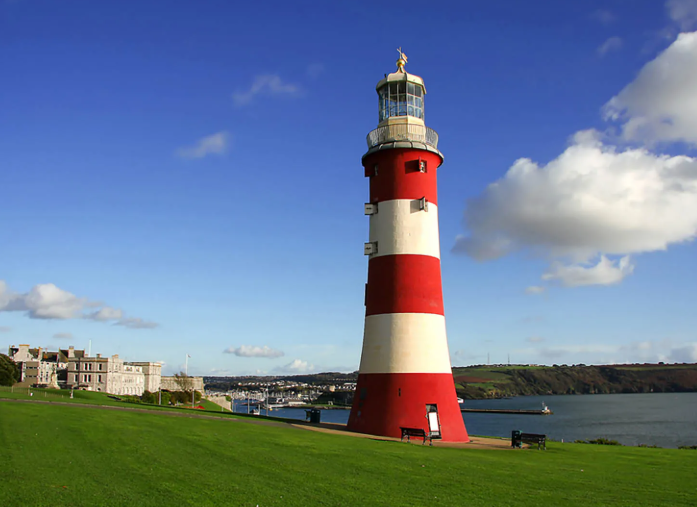
Smeaton’s Tower is a historic lighthouse that marks a groundbreaking moment in the use of concrete for maritime construction. Built in 1759 by civil engineer John Smeaton, it was the first structure to use hydraulic lime concrete—a type of cement that sets underwater. This innovation made it possible to construct durable marine structures that could withstand the relentless force of the ocean.
The tower originally stood on the dangerous Eddystone Rocks off the English coast, where it defied massive waves for over a century. Its elegant, tapered form and interlocking granite blocks—held together with concrete and metal dowels—became a model for future lighthouses. Now relocated to Plymouth Hoe, it stands as both an architectural marvel and a tribute to early concrete engineering.
