Supply Type :
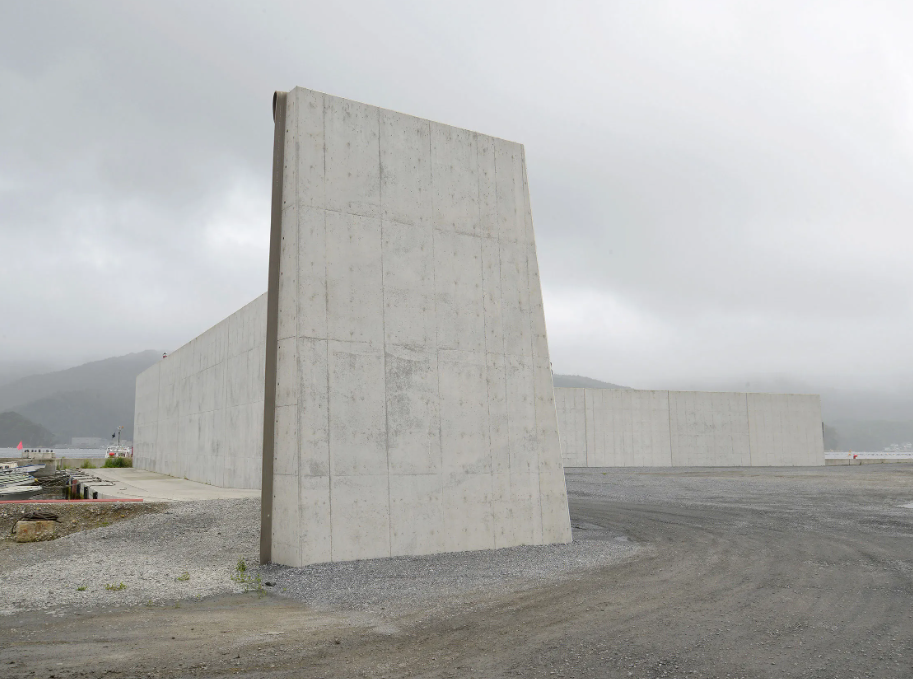
Japan has built massive tsunami seawalls along its northeast coast to protect communities from devastating waves. After the 2011 Tōhoku earthquake and tsunami, which destroyed many towns despite existing barriers, the government invested in nearly 400 kilometers of reinforced concrete seawalls. Many of these structures rise between 10 and 15 meters in height, with some sections built even taller in the most vulnerable areas. One of the most notable examples is in Tarō, Iwate Prefecture, where a huge X-shaped seawall stretches for about 2.4 kilometers, with newer extensions reaching up to 14.7 meters high.
These walls are constructed from reinforced concrete with deep foundations and are often designed with slopes or curves to deflect wave energy. Some incorporate floodgates and drainage systems to manage regular coastal water flow. While they have helped reduce tsunami impacts in certain areas, the 2011 event proved that even the strongest walls can be overtopped.
The project has not been without criticism. Many residents feel that the tall gray walls block their scenic ocean views, cutting them off visually and culturally from the sea. Environmentalists also point to damage to coastal ecosystems and tidal zones. In addition, the cost of building and maintaining these massive concrete barriers has been extremely high.
Today, Japan views these seawalls as only one part of a larger disaster management strategy. They are combined with advanced tsunami warning systems, community evacuation plans, and public awareness programs to create a more resilient coastal defense network.
