Augmented Reality in Construction Industry
Augmented Reality , The future of the construction industry
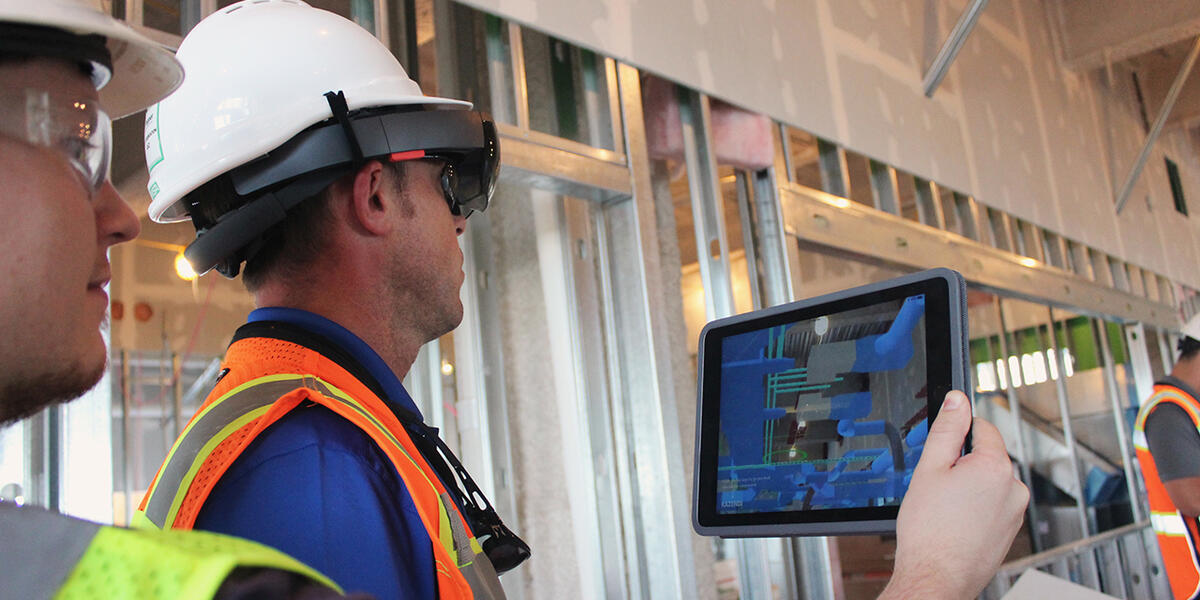
Augmented reality is an interactive version of the real world that is achieved through visual elements and sensory stimuli. Augmented reality has been a roaring success in different industries and is all set to make waves in the construction industry. From improving site safety to enhancing efficiency, Augmented Reality is the future!
Augmented reality has been a gamechanger in several industries including retail, education, and healthcare. Here is how augmented reality can transform the future of the construction industry.
- Better Planning and Presentations
Augmented reality helps in creating a detailed plan with 3D models and virtual tours. This helps in getting a better understanding of the project, its environmental impact, sustainability, and other important aspects even before its built. Augmented reality also helps in determining the strength of different materials, visualizing the effects of any changes in real-time, minimizing project risks, and optimizing resource use!
- Enhanced site safety
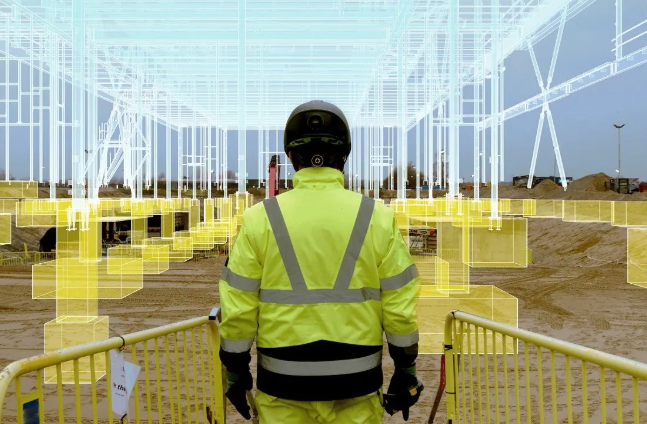
Augmented reality can be instrumental in improving safety on the site. From imparting virtual training to the workers to ensuring accuracy through BIM models, Augmented reality can definitely alleviate the risks involved in construction work. This is especially helpful in the case of underground construction or sky-scraper constructions.
- Virtual training
Augmented reality can play a crucial role in upskilling the crew, as it helps trainers provide demos on how to use complex equipment or heavy machinery in a controlled virtual environment. This means trainees can see, learn and even practice operating these tools before stepping into physical training. This can considerably reduce the training costs and risks of injury during training.
- Achieving detailed accuracy
Augmented reality helps in acquiring precise and accurate measurements that cut down the risks of costly mistakes. This also helps the team to quickly mend any faults in the measurement, architectural inconsistencies, and avoid high-cost reconstructions. Thus, ensuring fewer reworks and delays.