Supply Type :
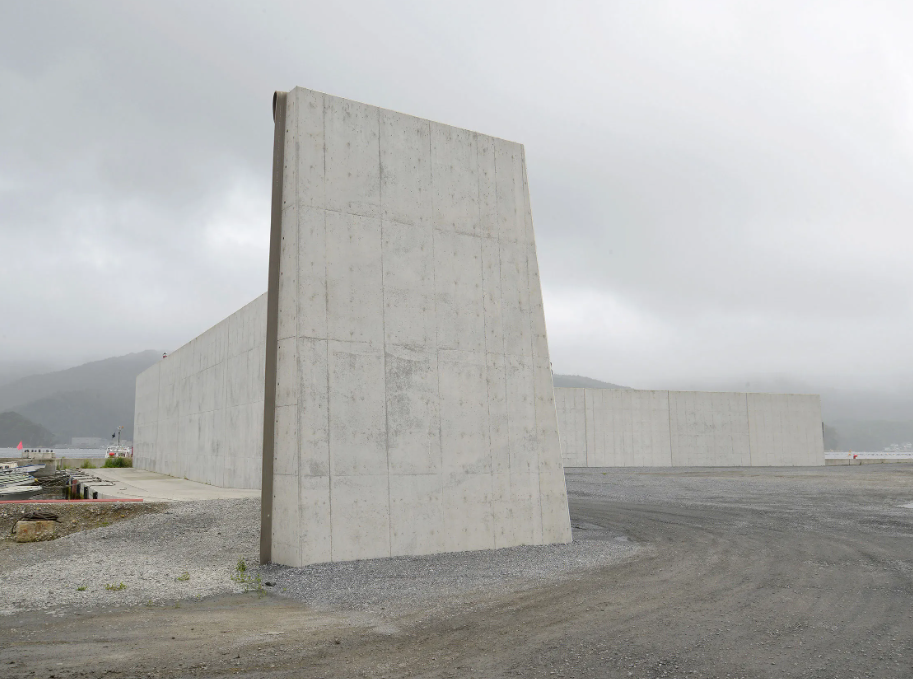
Japan has built massive tsunami seawalls along its northeast coast to protect communities from devastating waves. After the 2011 Tōhoku earthquake and tsunami, which destroyed many towns despite existing barriers, the government invested in nearly 400 kilometers of reinforced concrete seawalls. Many of these structures rise between 10 and 15...
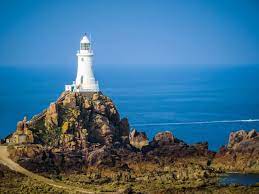
La Corbière Lighthouse is an iconic maritime structure located on the southwest coast of Jersey, in the Channel Islands. Completed in 1874, it was the first lighthouse in the British Isles to be built of reinforced concrete, making it a significant landmark in the history of concrete engineering. Perched on...
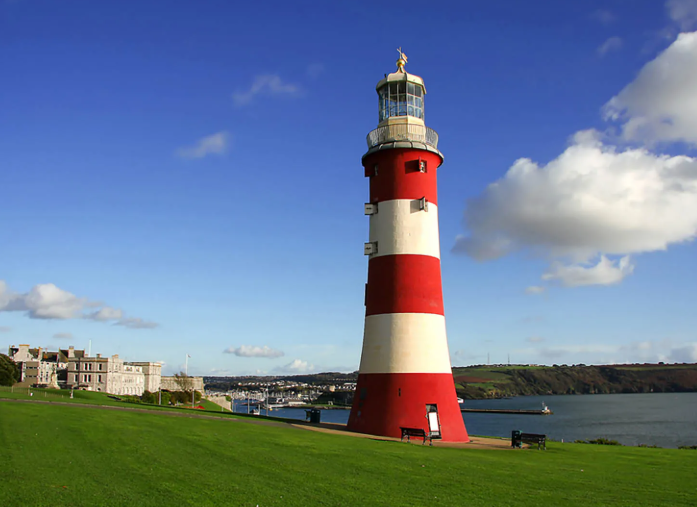
Smeaton’s Tower is a historic lighthouse that marks a groundbreaking moment in the use of concrete for maritime construction. Built in 1759 by civil engineer John Smeaton, it was the first structure to use hydraulic lime concrete—a type of cement that sets underwater. This innovation made it possible to...
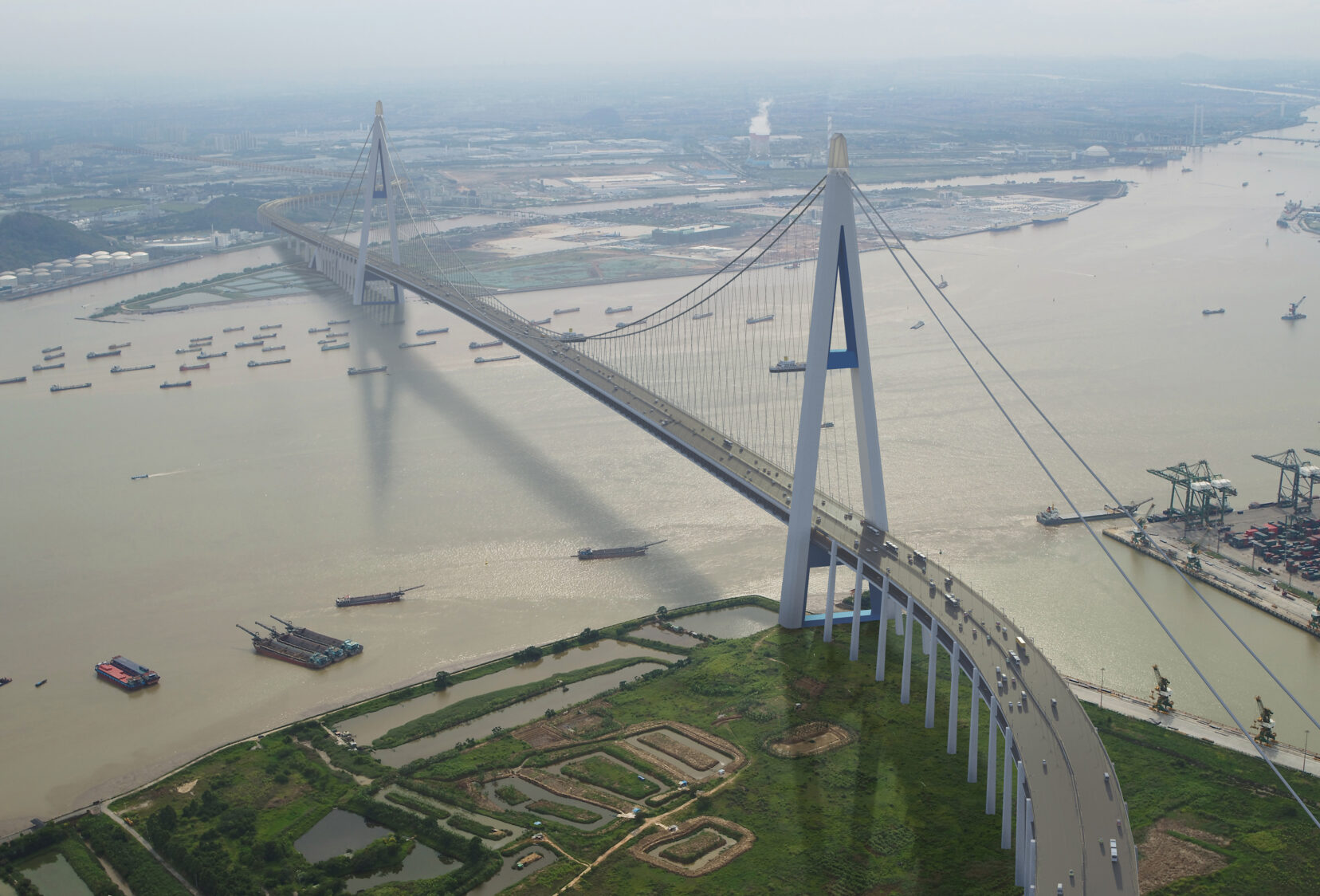
The Shiziyang Bridge in China is notable for featuring the world's largest bridge anchor. This massive structure includes an anchor foundation with a diameter of 130 meters, setting a new benchmark in bridge engineering. The construction of this anchor involved the use of high-strength concrete and advanced engineering techniques to...
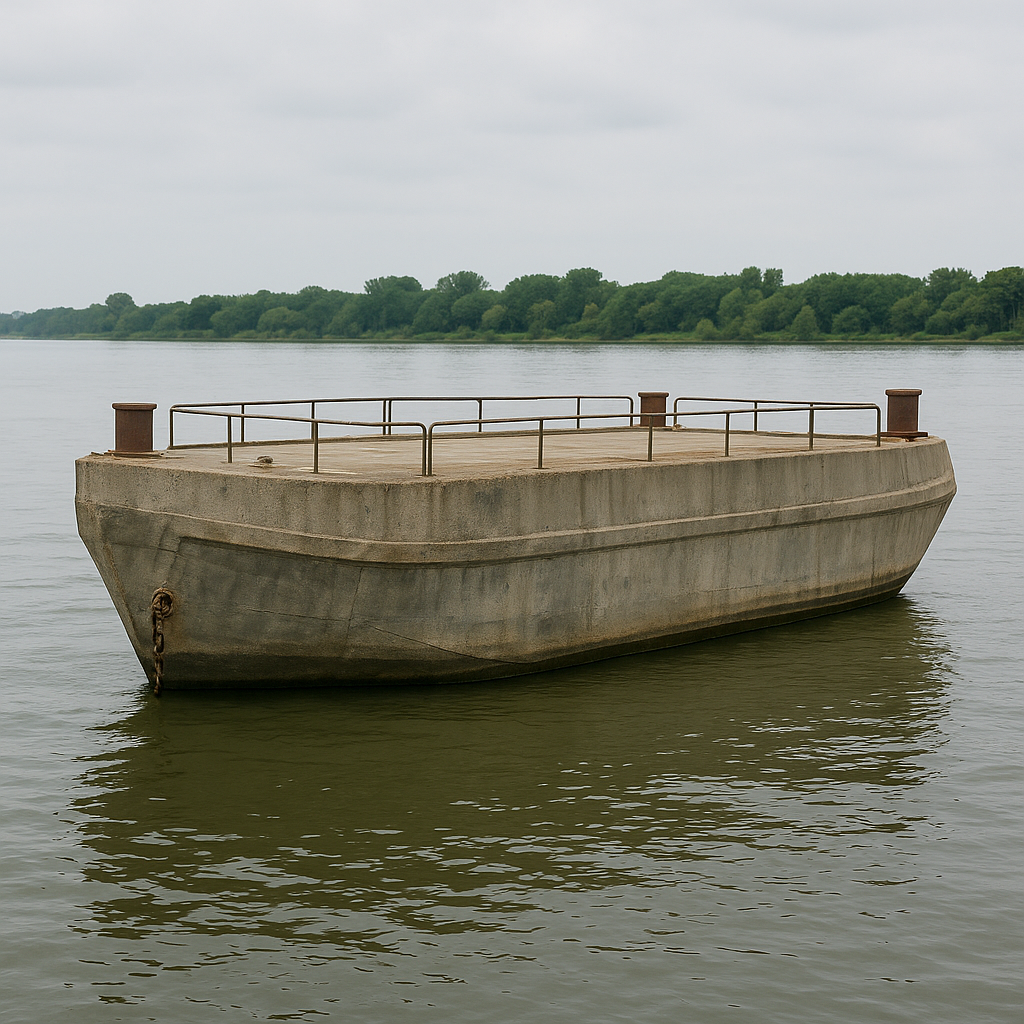
Concrete barges are floating marvels of engineering resilience and material innovation. Built using reinforced concrete, these vessels are designed to carry heavy loads across rivers, lakes, and coastal waters. Unlike steel, concrete resists corrosion and requires minimal maintenance—making it ideal for marine use. Widely employed in construction logistics, military history,...
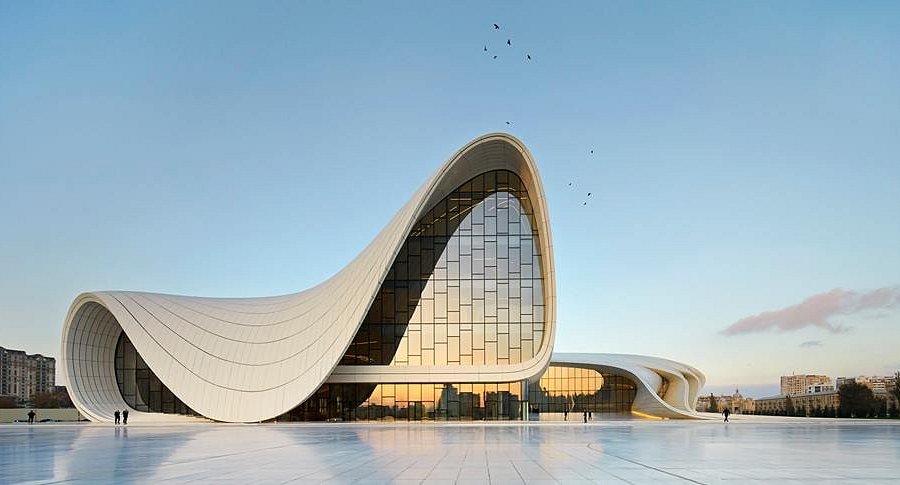
The Heydar Aliyev Center, designed by the legendary architect Zaha Hadid, is a stunning example of how concrete can be molded into fluid, organic forms. Completed in 2012, the building breaks away from traditional rigid structures with its sweeping curves and wave-like surfaces, symbolizing movement and openness. Beneath its smooth...
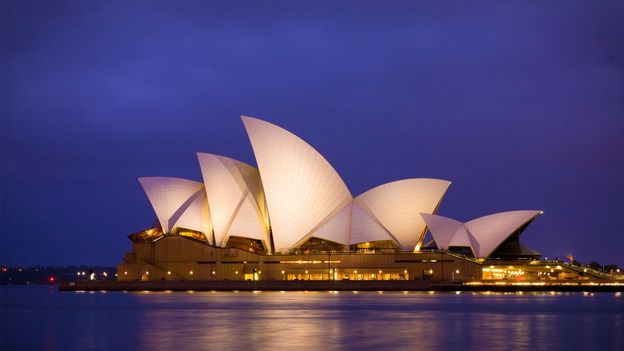
The Sydney Opera House is one of the most iconic buildings in the world—and a remarkable example of sculptural concrete architecture. Designed by Jørn Utzon and completed in 1973, its famous shell-like roofs are made from precast concrete segments, precisely engineered to form spherical geometry. Beneath its graceful curves lies...
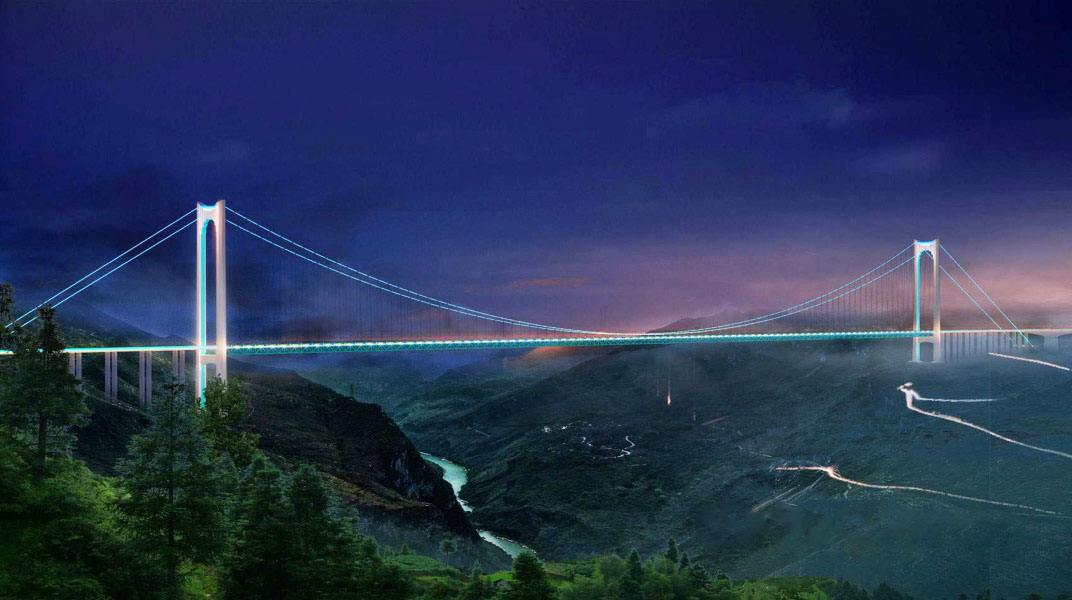
The Huajiang Grand Canyon Bridge is an engineering marvel currently under construction in China, set to become the world’s highest bridge by deck height. Spanning the dramatic Huajiang Canyon in Guizhou Province, the bridge will tower over 625 meters (2,050 feet) above the canyon floor. It features massive concrete piers...
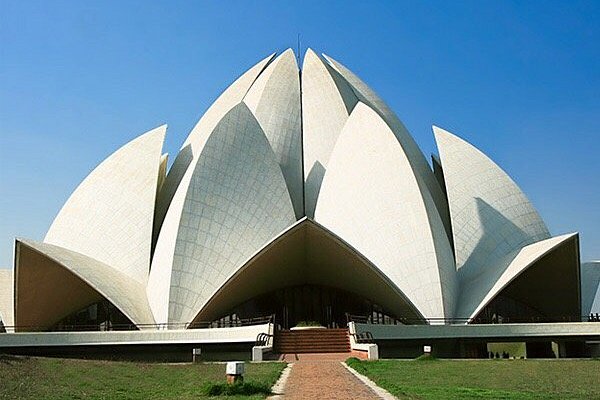
The Lotus Temple is a breathtaking fusion of architecture, symbolism, and concrete engineering, shaped like a blooming lotus flower. Designed by Fariborz Sahba and completed in 1986, the structure features 27 free-standing marble-clad petals made from reinforced concrete. It serves as a Bahá’í House of Worship and is renowned for...
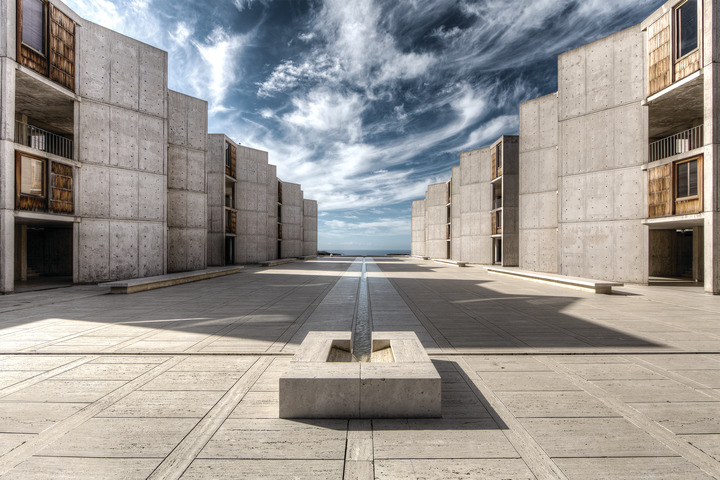
The Salk Institute for Biological Studies, designed by famed architect Louis Kahn, is a concrete masterpiece located in La Jolla, California. Built in the 1960s, it’s celebrated for its monumental use of exposed concrete—both functional and artistic. The structure features twin laboratory blocks flanking a central travertine courtyard, where a...
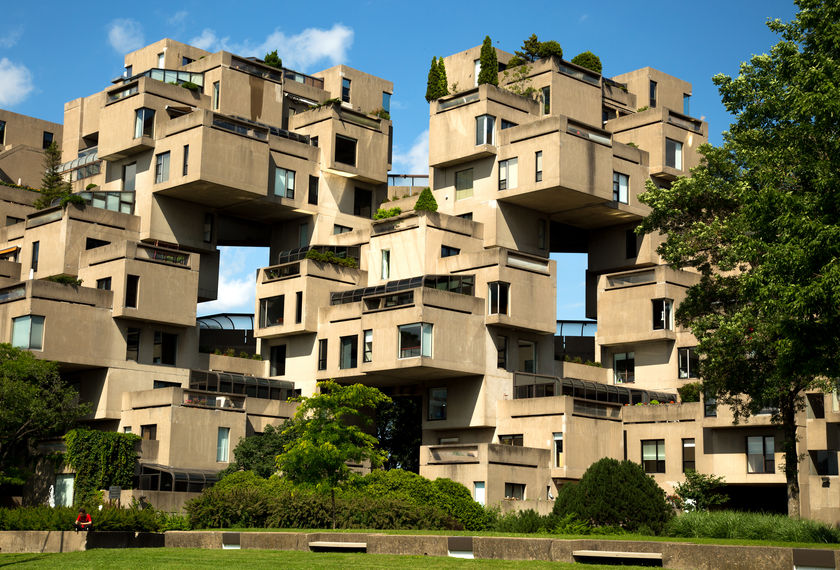
Habitat 67 is a concrete marvel that redefined urban housing. Designed by Moshe Safdie for Expo 1967, it features 354 precast concrete modules stacked in a striking, modular pattern. Each unit offers private terraces and natural light—rare in high-density living. This pioneering use of precast construction demonstrated how concrete can...
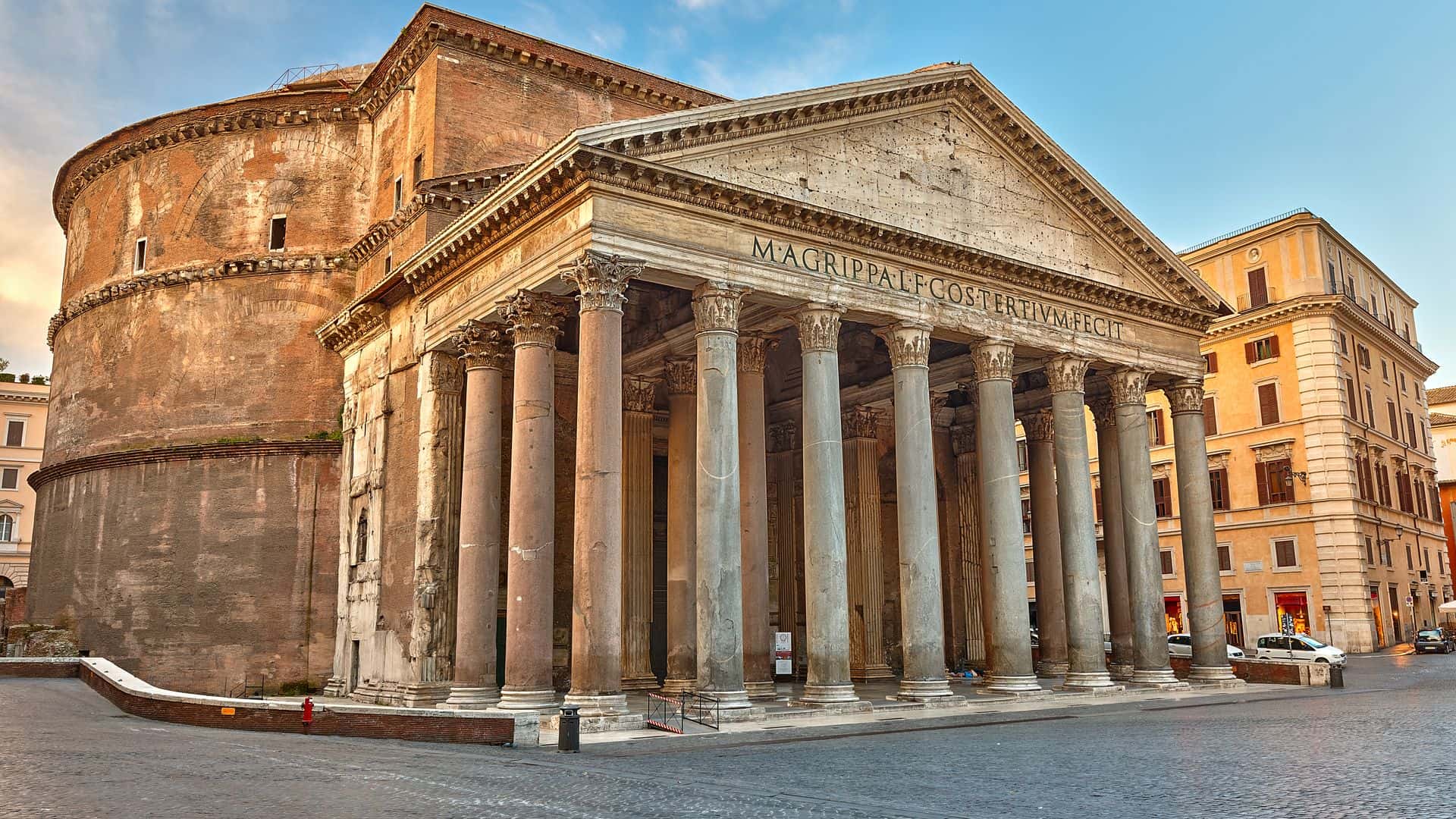
The Pantheon in Rome is a masterpiece of ancient engineering, featuring the world’s largest unreinforced concrete dome, spanning 43.4 meters. Built around 126 AD, it still stands intact nearly 2,000 years later—a testament to the durability of Roman concrete. Its unique design uses lighter materials toward the top and a...
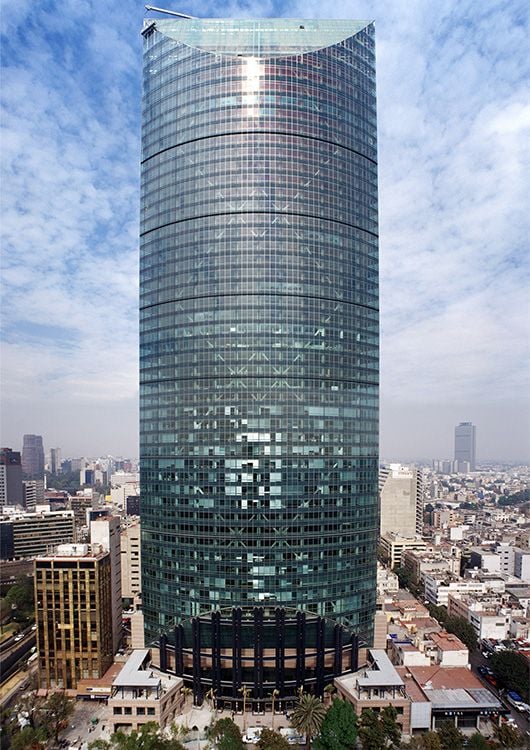
Torre Mayor, located in Mexico City, is a 225-meter tall skyscraper completed in 2003. It is engineered to withstand earthquakes up to magnitude 8.5, thanks to 96 seismic dampers that absorb shock and reduce sway. The building successfully endured a 7.6 magnitude earthquake in 2003 with minimal movement. Its design...
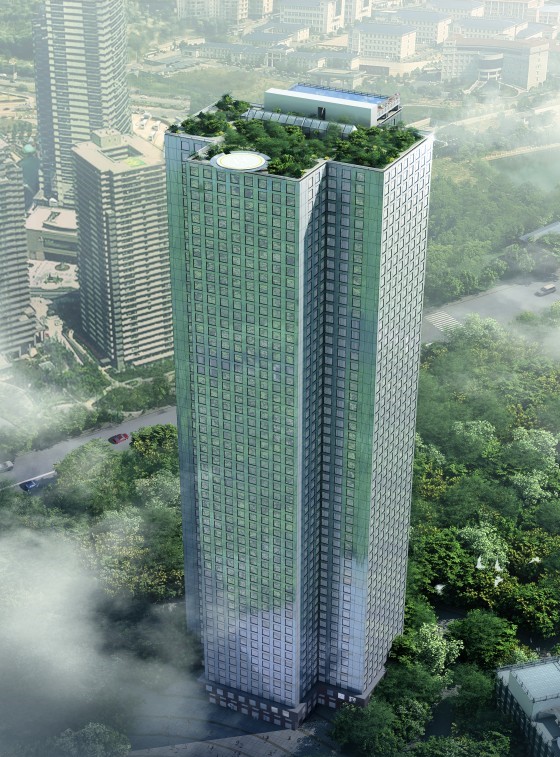
Mini Sky City in Changsha, China, is the world’s fastest-built skyscraper, constructed in just 19 working days by Broad Sustainable Building (BSB). The 57-story, 204-meter tall tower was assembled using precast modular technology, with 95% of the structure prefabricated off-site. It houses over 800 apartments and office space for 4,000...
.jpg)
Patel Infrastructure Limited achieved a remarkable feat by setting a world record in road construction. On February 1, 2021, the company laid Pavement Quality Concrete (PQC) over a 2,580-meter stretch of a four-lane highway within 24 hours, as part of the Delhi-Vadodara-Mumbai Expressway project. This accomplishment was recognized by the ...
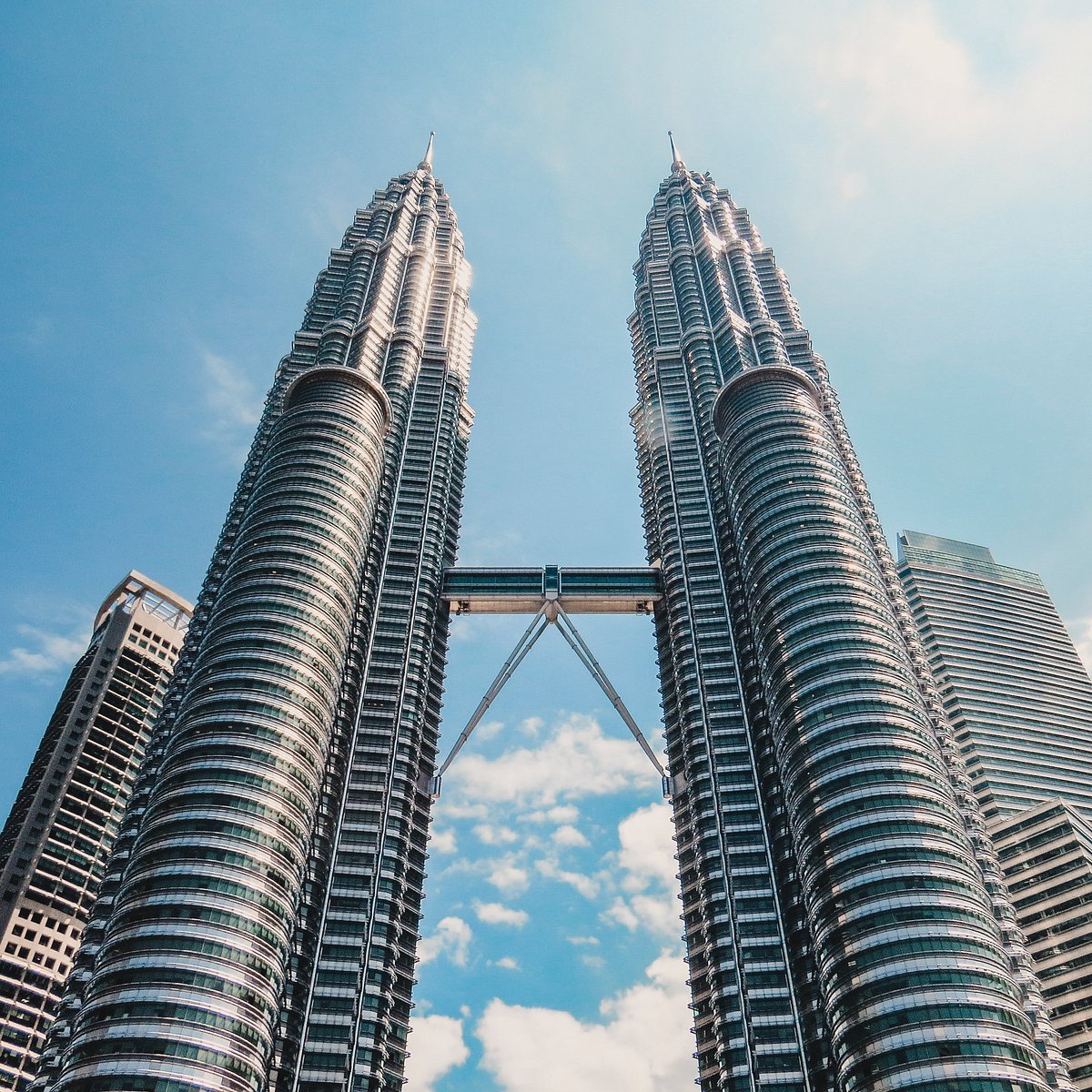
These identical buildings in Malaysia were at one stage the tallest buildings on the planet and are famous for the sky bridge which connects the two structures at a dizzying 588 feet. The foundations use concrete piles to deal with the earthquake risk in the country. The piles are a...
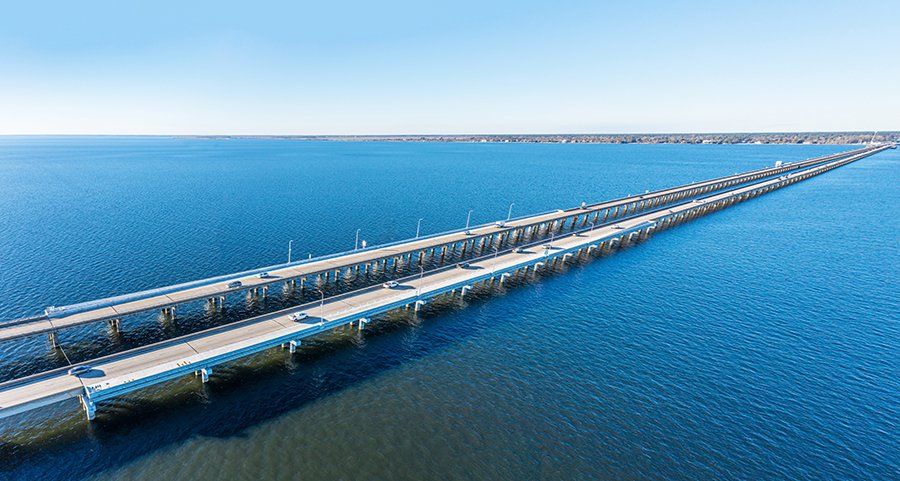
The Lake Pontchartrain Causeway in Louisiana, USA, is considered the longest continuous bridge over water, making it the longest causeway in the world; spanning nearly 24 miles across Lake Pontchartrain. The Lake Pontchartrain Causeway is made of pre-stressed concrete, which is a strong and durable building material.
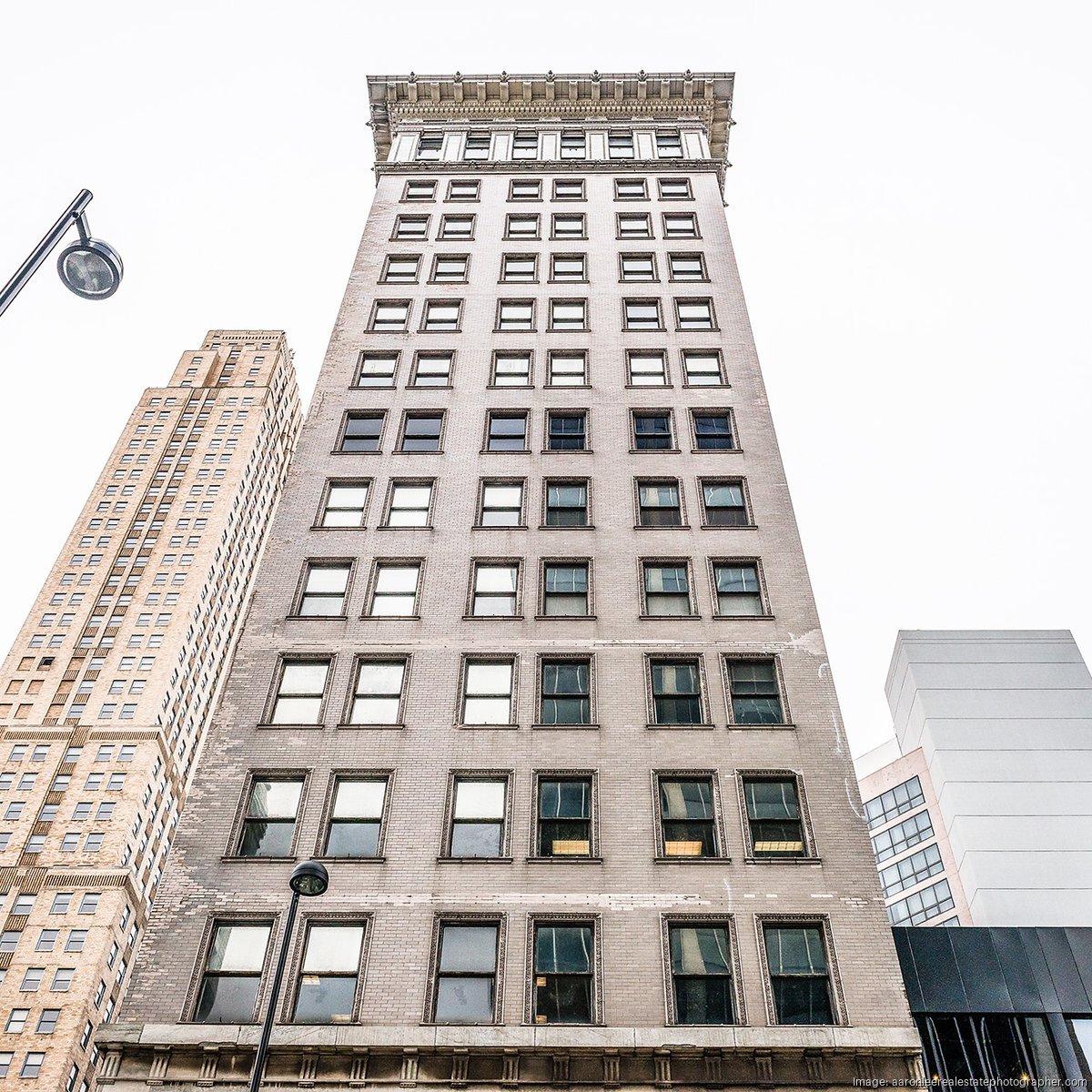
The Ingalls Building, built in 1903 in Cincinnati, Ohio, is the world's first reinforced concrete skyscraper. The 16-story building was designed by the Cincinnati architectural firm Elzner & Anderson and was named for its primary financial investor, Melville E. Ingalls.
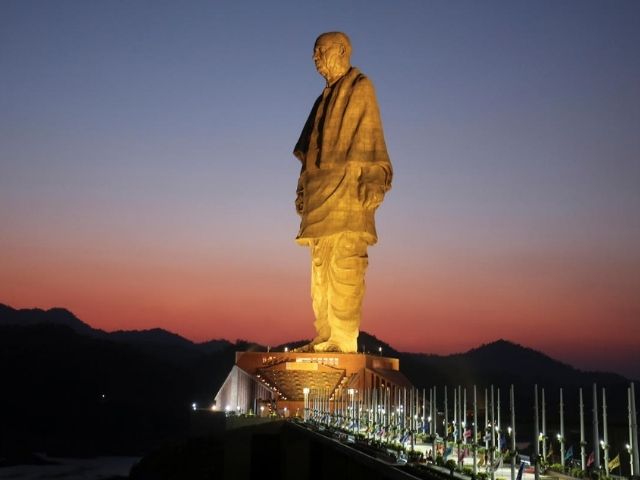
The Statue of Unity is the world's tallest statue at 182 metres (597 ft). The core of the statue used 2,10,000 cubic metres of concrete.
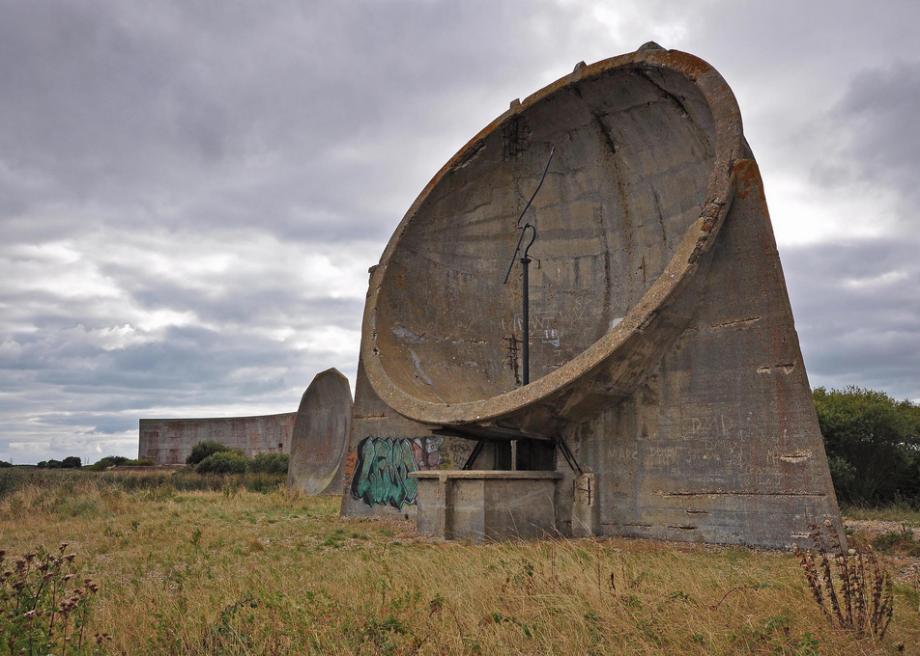
Early in World War 2, before the invention of radar, the British isles had an interesting system devised to detect incoming enemy aircraft. They constructed a number of huge, concrete, acoustic mirrors which focused and amplified sounds coming from a given direction. Some were bowl-shaped and over 30 feet in...
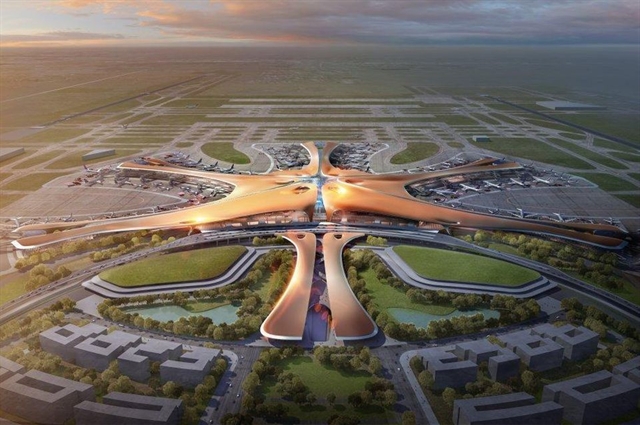
Beijing’s new airport King Fahd International Airport the latest megaproject that has seen China pour more concrete every two years than the US did in the entire 20th century.
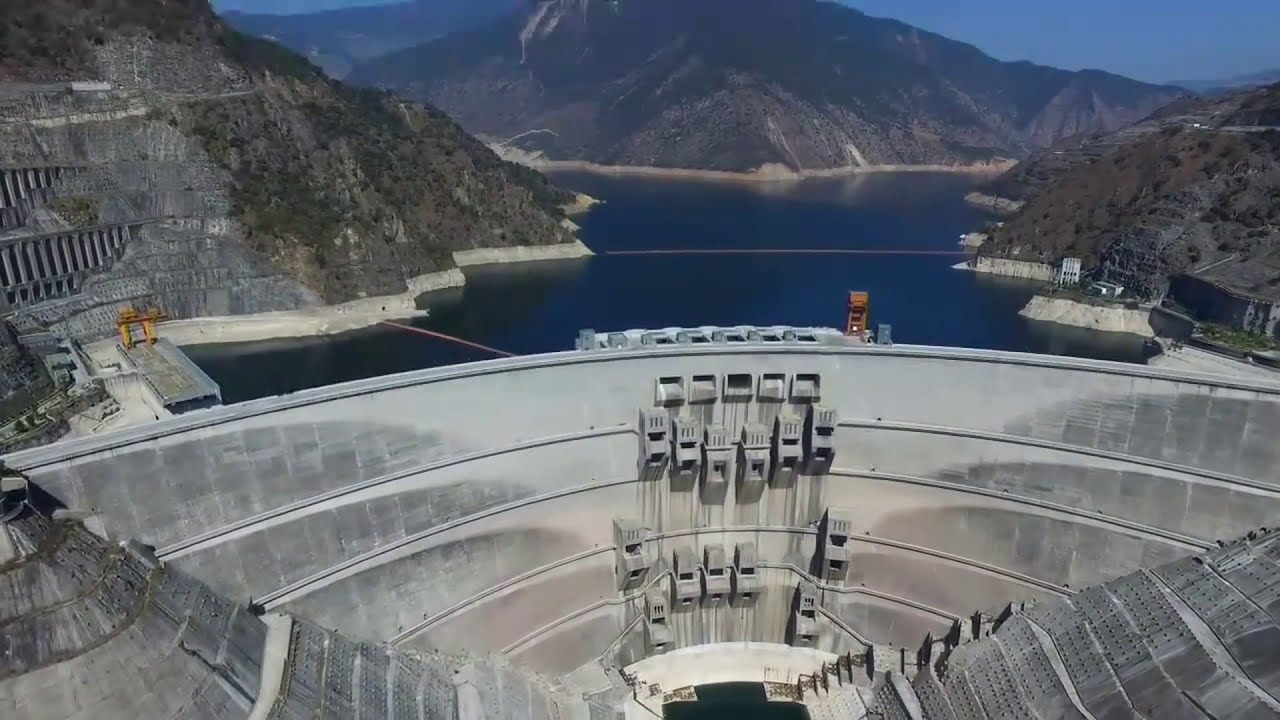
The Jinping-I Dam is a 305-meter-tall arch dam in China that was completed in 2014. It is the world's highest double-curvature arch dam. The dam is located in the Liangshan Yi Autonomous Prefecture of Sichuan Province, China.
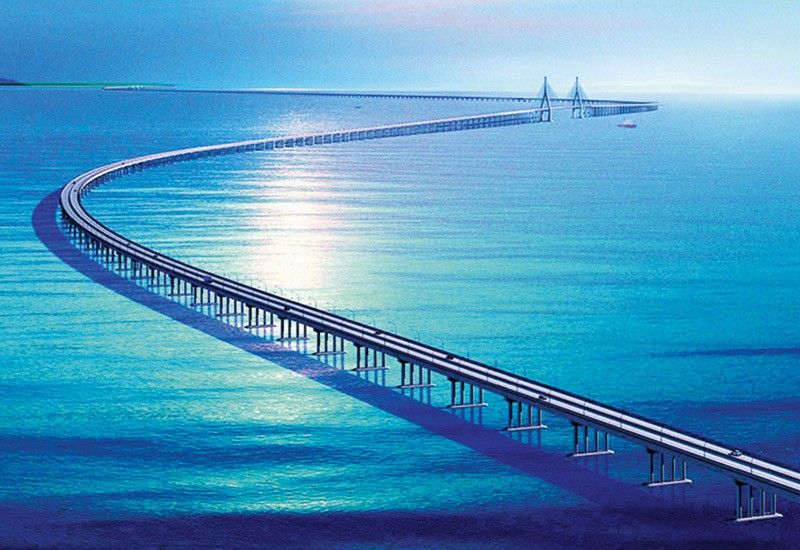
The Danyang-Kunshan Grand Bridge in China is the longest concrete bridge in the world, spanning 164.8 kilometers (102.4 miles). It was completed in 2011 and has held the Guinness World Record for the longest bridge ever since.
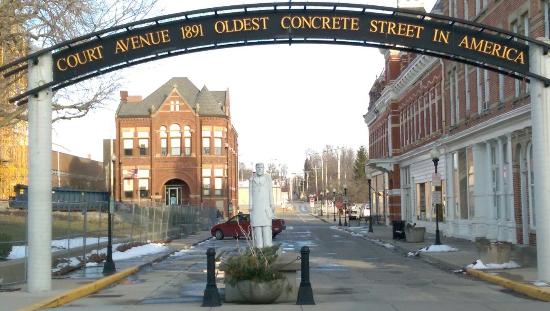
Court Avenue is a small street in downtown Bellefontaine, Ohio, United States, located adjacent to the Logan County Courthouse. First paved in 1893, it is known for being the first street in the United States to be paved with concrete.
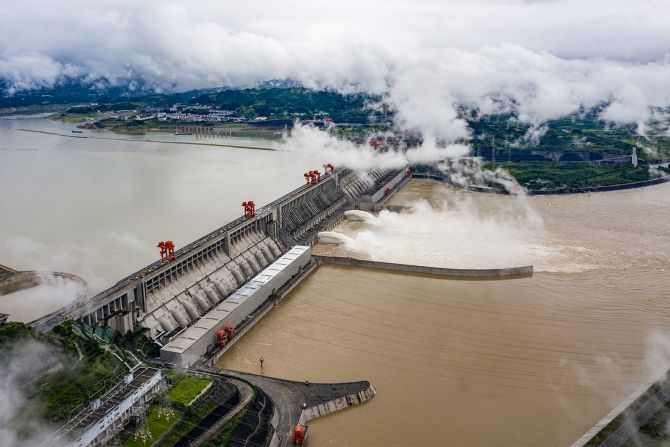
Weighing in at a mind boggling 654,576,231,43 kg, the Three Gorges Dam on the Yangtze River in China holds the record as the world’s heaviest concrete structure. Completed in 2006, the structure also holds the record as being the largest hydroelectric dam in the world as well as the biggest...
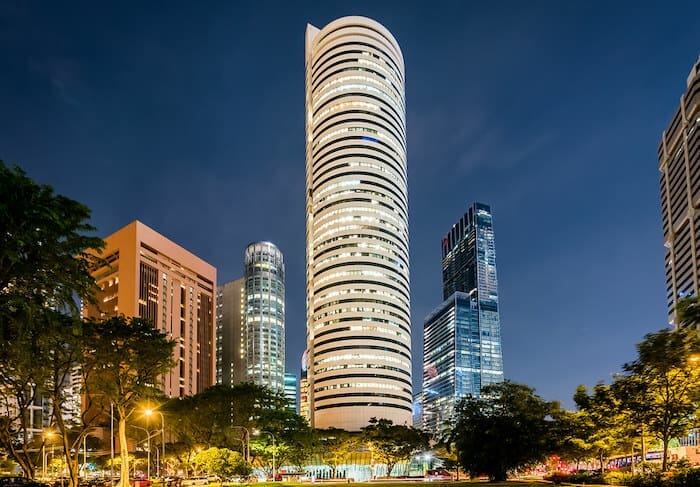
AXA Tower, also known as 8 Shenton Way and formerly The Treasury and Temasek Tower, was the 16th-tallest skyscraper in Singapore, at 234.7 m (770 ft), and the tallest cylindrical building in the world. In 2023, it became the tallest building to ever be voluntarily demolished.
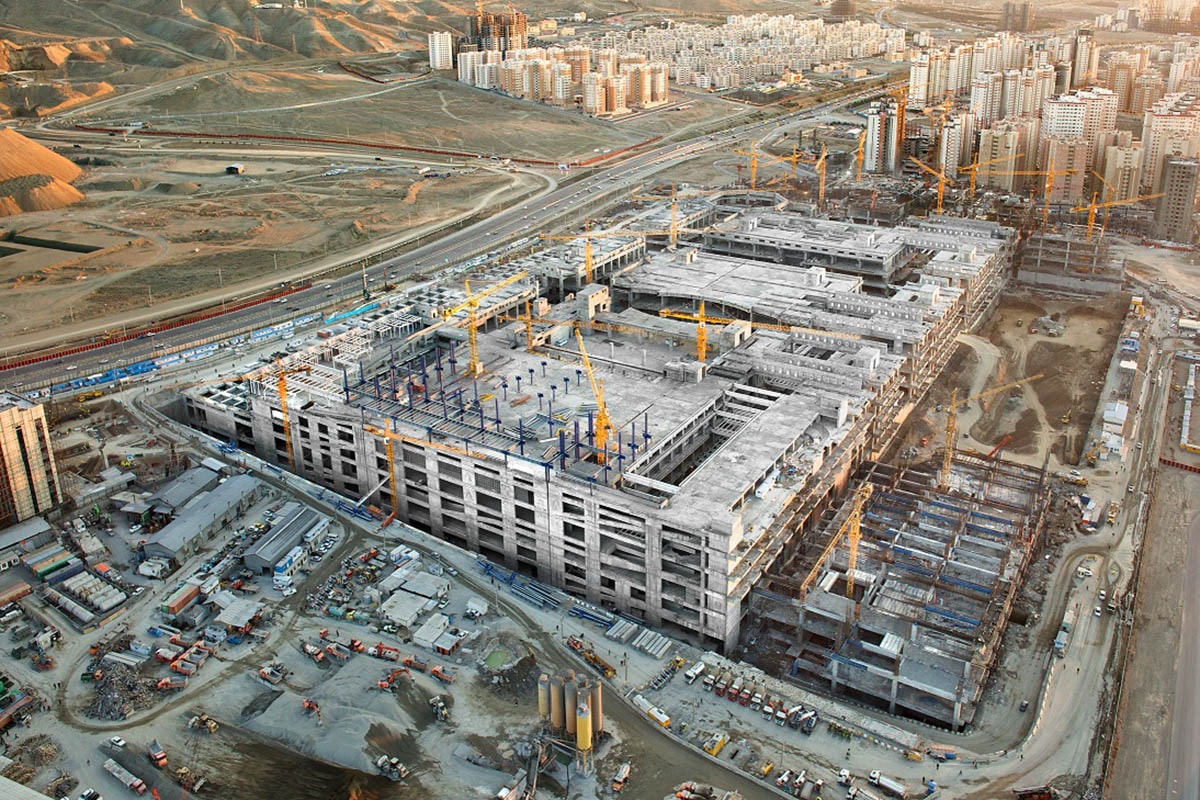
The longest continuous concrete pour is 5 days 4 hours and 11 minutes and was achieved by PS-Co. (Iran), in Tehran, Iran, between 1 to 6 March 2018. The longest concrete pour was executed for Iran Mall building.
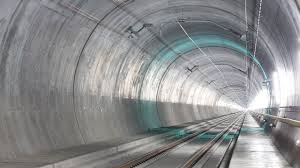
The Gotthard Base Tunnel is the world's longest and deepest tunnel. It runs under the Swiss alps between the towns of Erstfeld in the north and Bodio in the south. The tunnel is 57 km long and reaches a depth of 2,300 meters.
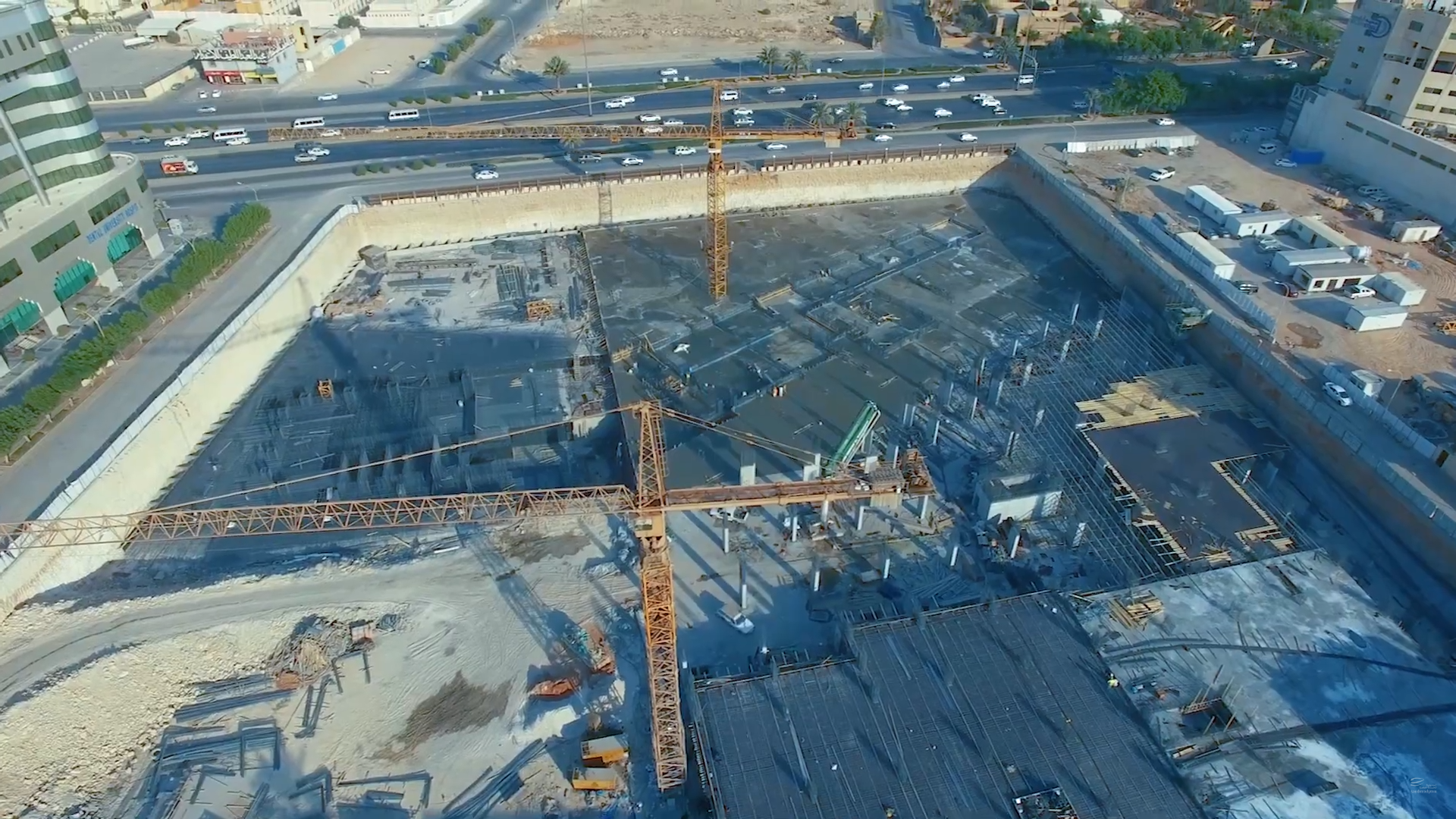
The largest continuous concrete pour is 69,824.87 m3 (2,465,842 ft3) and was achieved by Mohammad Abdulaziz Al-Habib Real Estate Company (KSA), in Riyadh, Saudi Arabia, on 27 March 2024.
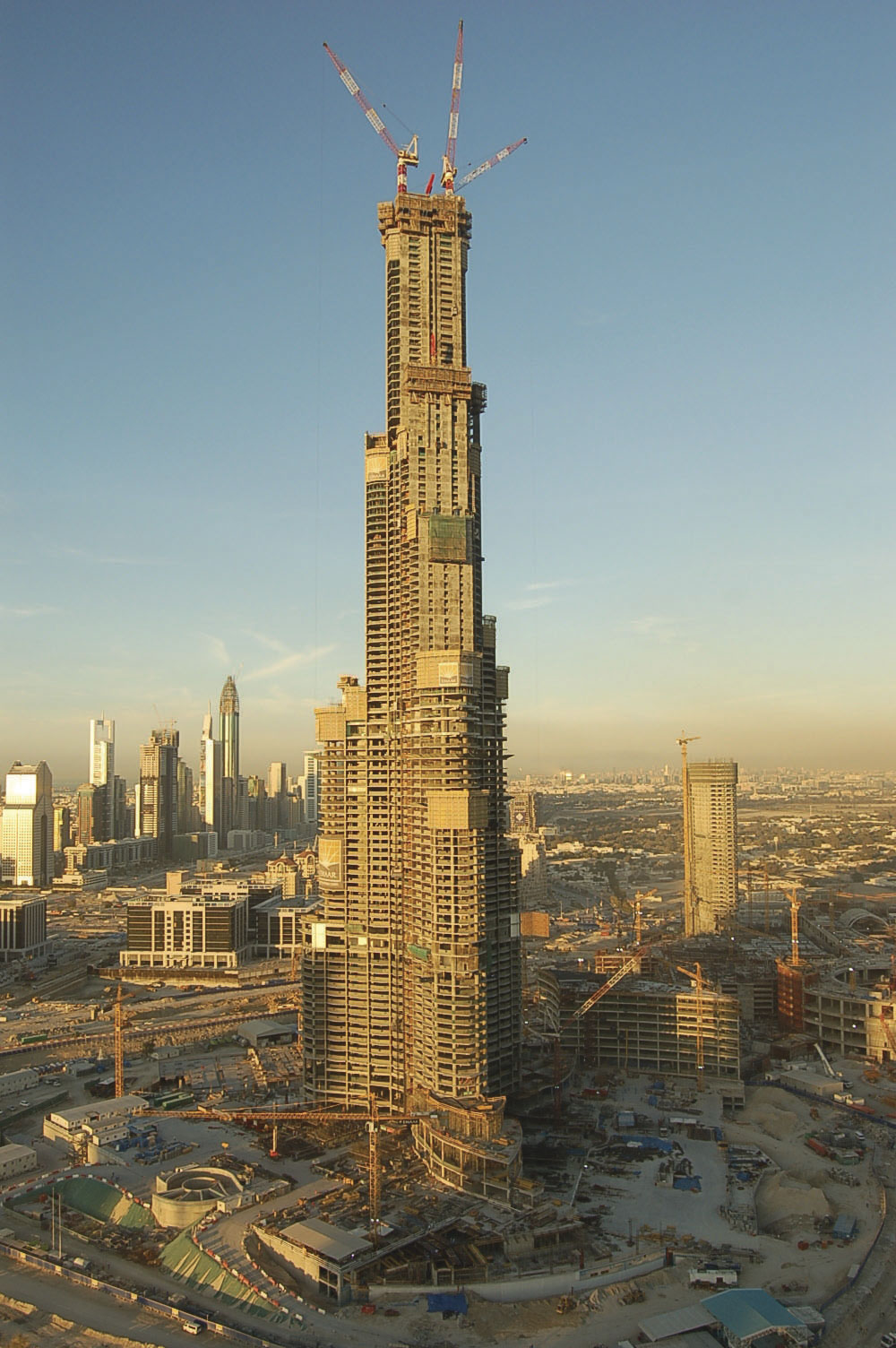
The Burj Khalifa in Dubai holds the world record for concrete pumping height at 606 meters (1,988 ft).
